A Trust is a powerful tool for anyone who wants to make things easier for their loved ones and ensure someone they trust distributes their property according to their wishes, without the time, expense, and public scrutiny of going through probate.

What Is a Trust?

A Revocable Living Trust (also called a “Probate Avoidance Trust”) is a private agreement that you create during your life to manage the distribution of your property after your death. Think of it like a box that you put your property into. This box involves three roles:

The Trustor is the person who puts the property into the box (that’s you).
The Trustee is the person who manages the property in the box (also you, while you’re alive).
The Beneficiary is the person who receives the benefit of the property in the box (still you, during your lifetime).

While you are alive, you wear all three hats. You are the Trustor, the Trustee, and the Beneficiary. You are in complete control of everything—it’s still yours. You can buy property, sell property, spend money, and change the terms of the Trust whenever you want. Nothing about your day-to-day life changes.

The difference happens after your death. At that time, the person you have named as your Successor Trustee takes over managing the property. They either continue managing it in Trust according to your instructions or distribute it outright to the Beneficiaries you have named, without ever having to go to court.
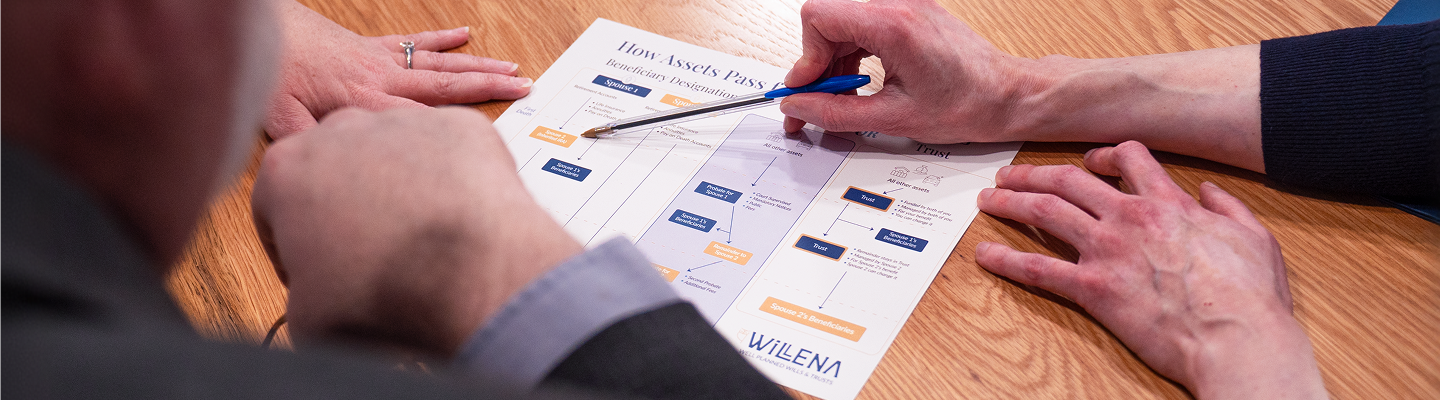
Rachel Murphy, Founding Attorney of Willena, reviewing document

Who Should Consider a Trust?

A Trust isn’t necessary for everyone, but it makes sense if any of these situations apply to you:

You Want to Avoid the Time, Expense, and Public Nature of Probate

There is a common misunderstanding that having a Will means avoiding the court-supervised probate process. But the opposite is true. Using a Will to pass property after death means that your property cannot be distributed until your estate goes through probate.

Hiring an attorney to handle probate and paying court fees can easily cost many thousands of dollars.

Probate also opens up your family and your property to public scrutiny.

While setting up a Trust does have upfront costs, it often saves your family more in the long run.

You Want to Protect Your Beneficiaries’ Inheritances

With a Trust, you can set detailed terms for how and when your beneficiaries receive their inheritances. You can:

Stagger distributions so your children receive portions at different ages (say, one-third at 25, one-third at 30, and the remainder at 35) rather than everything at once when they turn 21.

Keep inheritances in trust for life to protect the funds from creditors, divorce settlements, or poor financial decisions.

Support beneficiaries who struggle with addiction or mental health issues by giving a trusted person discretion over distributions.

You Own Real Estate (Especially in Multiple States)

Real estate must go through the probate process in the state where it’s located.

That means that if you own a home in Idaho, you’re looking at Idaho probate.

If you also own a vacation cabin in Montana or a rental property in Arizona, your family will have to go through additional probates in those states too.

There’s Potential for Conflict Among Family Members

Because probate requires mandatory notice to all potential heirs, estranged family members, disinherited relatives, or anyone who thinks they should have gotten something can see what you owned and who you left it to. They can file objections and drag your family into court battles.

A Trust is a private agreement. If a person is not named as a beneficiary in your Trust, they have no right to receive any information about your property or who is receiving it.

What Happens If I Don’t Have a Trust?

If you have a Will (or no estate plan at all), then before your property can be distributed, someone will have to take your estate through the probate process. Here’s what that looks like in Idaho:

Your family will need to hire an attorney and pay court fees. Probate can take a year or more and often costs thousands of dollars, depending on the size and complexity of the estate.

Your bank accounts and other assets will be frozen until the court appoints a Personal Representative, leaving your accounts inaccessible for weeks or more.

Your Personal Representative has to give public notice to all potential heirs under Idaho law, even ones you specifically disinherited. This can open the door to Will challenges. Your Personal Representative also has to file a detailed inventory of all your property. Anyone can look up what you owned and how much it was worth.

Once the probate process is complete, inheritances generally go outright to your beneficiaries as long as they are over age 21.

How Do I Set Up a Trust?

The best way to create a Trust is to work with an attorney experienced in estate planning.

Why Not Just Use an Online Form?

You’ve probably seen ads for online Trust templates. While they might seem like an affordable option, they come with serious risks.

Online forms can’t:
  • Make sure you understand how to transfer property into your Trust, because if you create a Trust, but never fund it, your family will still have to go through probate
  • Structure distributions that work best for your specific beneficiaries
  • Determine who would be the best Successor Trustee to manage potentially complex financial decisions
When you work with Willena, you get:
  • Thoughtful guidance on whether a Trust is right for your situation
  • A Trust that’s customized to your family’s unique needs
  • Help with funding your Trust
  • Peace of mind that everything is set up correctly

Ready to Take Control of Your Legacy?

Setting up a Trust might sound complicated, but it doesn’t have to be. My clients say the peace of mind they feel after completing their Trust is well worth the effort.

What About Naming Guardians for My Children?

A Trust controls what happens to your property, but it doesn’t let you name Guardians for your minor children. For that, you need a Will.

If you have children under 18, a Will is essential, even if you also have a Trust. The Will ensures that if something happens to you, the people you trust most will raise your kids, not whomever a judge decides to appoint.

Learn more about Wills

What About While I’m Alive?

A Will or a Trust takes care of what happens to your property after your death, but what if you become incapacitated while you’re alive?

That’s where Financial and Healthcare Powers of Attorney come in. These documents allow you to name trusted people to make financial and healthcare decisions on your behalf if you become unable to make them yourself, whether due to illness, injury, or cognitive decline.

Without Powers of Attorney, your family may have to go to court to establish a conservatorship or guardianship, which is expensive, time-consuming, and strips away your privacy.

Learn more about Powers of Attorney